
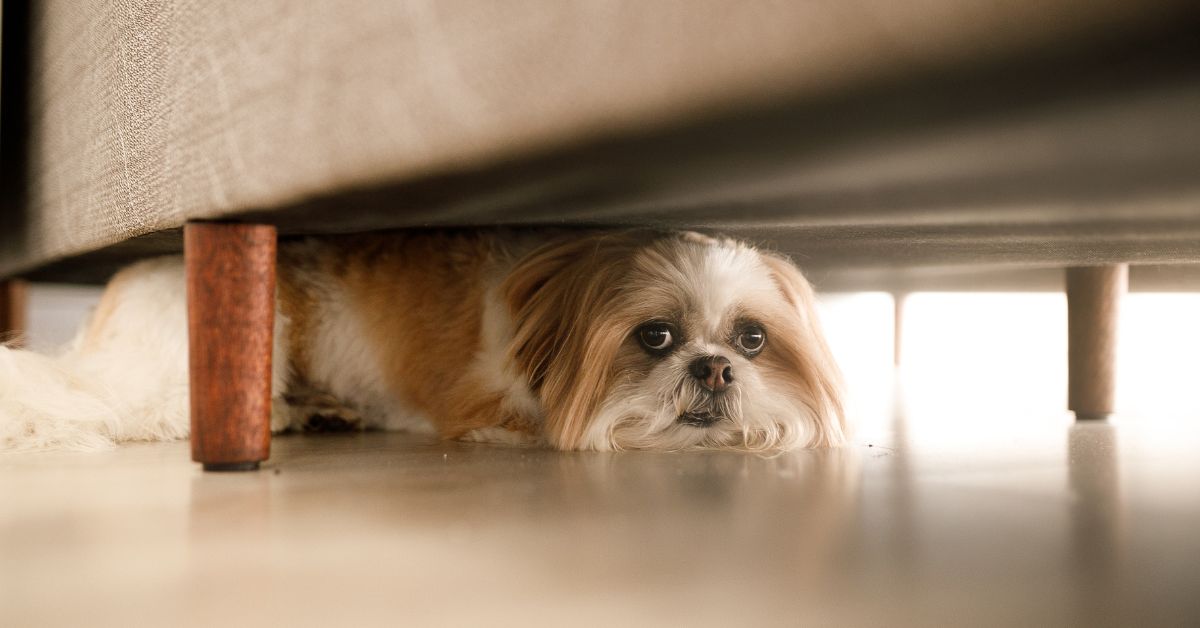
Is your dog cowering under the couch or trembling at the first sign of a thunderstorm? Noise anxiety is a common issue that affects many dogs, making everyday events like thunderstorms, fireworks, or even loud construction a stressful ordeal for your furry friend.
Understanding what triggers this fear is the first step toward helping your dog feel safe and secure. Whether you’re dealing with a new puppy or an older dog suddenly showing signs of stress, there are practical strategies you can implement to bring your pet peace.

This article is courtesy of Pet Scoop Colorado Springs, CO.
What Causes Noise Anxiety in Dogs?
Dogs with noise anxiety often react to sounds like fireworks, thunderstorms, or even household appliances such as vacuum cleaners. But why?
- Sensitive Hearing: Dogs hear a much broader range of sounds than humans. What seems like a normal noise to you might feel deafening or startling to them.
- Negative Associations: Past traumatic experiences, such as being caught outside during a thunderstorm, can make dogs more sensitive to similar noises.
- Breed Predispositions: Certain breeds, like herding dogs, are more prone to noise sensitivities because of their heightened awareness.
Signs Your Dog Might Be Anxious
Recognizing the signs of noise anxiety is crucial. Keep an eye out for these common behaviors:
- Trembling or shaking
- Hiding in confined spaces
- Excessive barking or whining
- Pacing or restlessness
- Attempts to escape (digging at doors or windows)
Techniques to Help Calm Your Dog
-
Create a Safe Space
Set up a cozy, quiet area where your dog can retreat during noisy events. A crate with a blanket over it, or a corner filled with their favorite toys and bedding, can work wonders. -
Soundproofing Measures
Use white noise machines, fans, or calming music to drown out external noises. These can create a more relaxing atmosphere for your dog. -
Training and Desensitization
Gradually expose your dog to the sounds they fear at a low volume, pairing the experience with positive reinforcement like treats or playtime. Over time, this can help them associate the noises with good things instead of fear. -
Use Calming Products
- Thundershirts: These snug wraps provide a swaddling effect that helps reduce anxiety.
- Calming Chews or Pheromone Diffusers: Natural supplements and diffusers mimic the calming pheromones a mother dog emits to soothe her puppies.
-
Consult a Professional
If your dog’s anxiety is severe, consult a veterinarian or a certified dog behaviorist. They might recommend behavioral therapy or medication to manage extreme cases.

Preparing for Noisy Events
Fireworks and thunderstorms are inevitable, but planning ahead can make a big difference:
- Exercise Beforehand: A tired dog is often a calmer dog. A long walk or play session can reduce nervous energy.
- Stick to a Routine: Keeping feeding and bedtime routines consistent can provide a sense of normalcy amidst the chaos.
- Stay Calm Yourself: Dogs are sensitive to their owners’ emotions. If you’re calm, they’re more likely to feel secure.
The Long-Term Benefits of Managing Noise Anxiety
Helping your dog overcome noise anxiety not only improves their quality of life but also strengthens your bond. It’s rewarding to see your dog’s confidence grow and their stress diminish.
Want more advice on keeping your dog happy and stress-free? Explore additional tips on creating a dog-friendly home and improving your pet’s overall mental health by reading this ultimate guide to stress-free dog care.