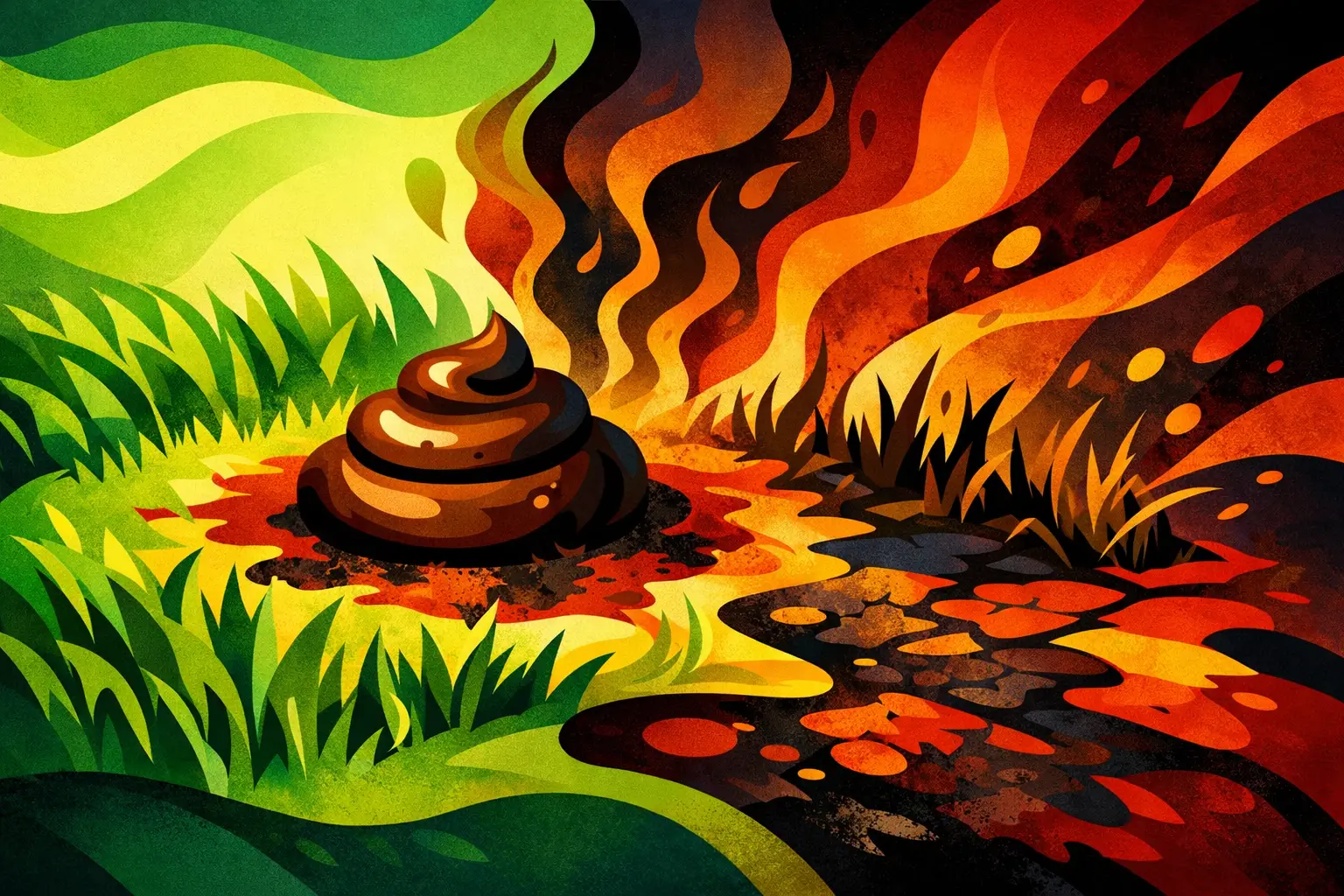
You spot a few yellow patches, then a couple more, and suddenly the yard your kids and dogs were enjoying looks rough around the edges. If you’ve been wondering, can dog poop ruin grass, the short answer is yes. Left sitting too long, dog waste can damage healthy turf, create dead spots, and make your lawn harder to maintain than it should be.
A lot of homeowners assume poop breaks down like fertilizer and helps the yard. That sounds reasonable, but dog waste does not work the same way as composted manure from plant-eating animals. It is much more concentrated, carries bacteria, and can smother grass as it sits. In Montana, where homeowners want to make the most of the warmer months, that kind of buildup can turn a usable yard into a patchy, unpleasant one faster than most people expect.
Can Dog Poop Ruin Grass or Just Make It Look Bad?
It can do both. At first, the problem may look cosmetic. You see brown patches, uneven color, or clumps matted down into the lawn. But when waste is left in place, it starts affecting the grass underneath and the soil conditions around it.
Dog poop is high in nitrogen, but not in a balanced, lawn-friendly way. In small, managed amounts, nitrogen can help plants grow. In concentrated piles, it can overwhelm grass and burn it. That is especially true when the same areas get used over and over, which happens in a lot of fenced backyards.
There is also the physical issue. A pile of waste blocks sunlight and traps moisture against the grass. That can weaken the blades underneath, create thin spots, and leave behind bare areas after cleanup. If you have more than one dog, or if cleanup gets delayed during snowy or wet stretches, the damage tends to multiply.
Why Dog Waste Is Tough on Lawns
The main reason is concentration. Dog waste is not a gentle soil amendment. It is acidic, dense, and full of nutrients in a form your lawn cannot use efficiently. Instead of feeding the grass, it often stresses it.
Diet plays a role too. Dogs eat protein-rich diets, which leads to waste that is very different from manure produced by grazing animals. Cow manure, once properly composted, can support soil health. Dog poop, sitting fresh on the lawn, is a different story.
Then there is bacteria. Dog waste can contain organisms that are not great for people, pets, or outdoor living spaces. Even if your biggest concern is curb appeal, it is worth remembering that lawn damage is only part of the issue. A yard with old waste buildup is less sanitary and less enjoyable to use.
In neighborhoods around Bozeman and Helena, where families actually want to spend time outside, that matters. A yard should feel clean and ready, not like one more chore waiting for the weekend.
What Lawn Damage From Dog Poop Looks Like
Sometimes the signs are obvious. You may see yellow or brown circles where waste sat too long. Other times, it shows up as thinning grass, darker rings around dead centers, or uneven growth in areas your dog favors.
The frustrating part is that poop damage can overlap with other lawn problems. Dry weather, pet urine, compacted soil, and high foot traffic can all create similar-looking patches. So if your yard is struggling, dog waste may not be the only cause, but it is often part of the problem.
That is why consistency matters. When waste is removed on a regular schedule, it is easier to tell what is actually going on with your lawn. You are not dealing with layers of buildup that hide the real issue.
Is dog poop worse than dog urine for grass?
They damage grass in different ways. Urine usually causes fast burn spots because of its nitrogen concentration. Poop tends to cause slower damage through smothering, bacterial contamination, and concentrated nutrient overload.
If your dog uses the same part of the yard every day, the two problems often stack on top of each other. That is when a lawn can go downhill quickly.
How Fast Can Dog Poop Damage Grass?
It depends on the season, the size of the dog, how often your yard is used, and the current health of the lawn. One pile left for a day or two is not likely to destroy a healthy yard. But repeated exposure in the same areas, especially over a week or longer, can absolutely cause visible damage.
Warm weather speeds up the mess. Heat bakes waste into the lawn, increases odor, and can intensify discoloration. Wet conditions are no picnic either. Rain can spread the residue, soften the pile into the turf, and make cleanup less complete if it has been sitting too long.
Winter creates its own problem. A lot of homeowners let waste accumulate under snow, planning to deal with it later. Then spring arrives, the snow melts, and the lawn underneath is hit with months of concentrated buildup all at once. That can leave behind dead patches, muddy spots, and a yard that starts the season on the wrong foot.
How to Prevent Dog Poop From Ruining Your Grass
The simplest answer is also the most effective – remove it consistently. Not eventually. Not when the yard starts looking rough. Regular pickup is the best way to protect both the appearance and health of your lawn.
For a single dog, weekly cleanup may be enough to stay ahead of damage. For multi-dog households, or properties where dogs spend a lot of time outside, twice-weekly service often makes a bigger difference. The more traffic your lawn gets, the less room there is for delay.
It also helps to keep your grass healthy overall. A thicker, stronger lawn is more resilient than stressed turf. Proper mowing height, watering, and seasonal care all matter. But even a well-maintained lawn will struggle if waste is allowed to pile up.
If there are already problem spots, clean the area thoroughly first. Then give the grass a chance to recover with water, light raking if needed, and reseeding in bare sections. Recovery takes time, especially in heavily used dog runs, but it is much easier once the source of the damage is under control.
Can One-Time Cleanup Fix the Problem?
A one-time cleanup helps, especially if things have gotten away from you after winter, a busy stretch at work, or moving into a new property. It removes the obvious mess and gives you a clean starting point.
But if the goal is to keep grass healthy, one cleanup is usually not the full answer. Lawn damage happens from repeat exposure. If waste keeps collecting, the same issues come back. That is why ongoing service tends to be the better fit for homeowners who want a yard that stays clean instead of briefly getting reset.
The same goes for commercial properties, HOAs, and shared pet areas. Appearance matters, but so does consistency. When outdoor spaces are maintained on a schedule, they stay more usable, more sanitary, and easier to manage.
When a Clean Yard Is Really About More Than Grass
Most people start by asking about lawn damage, but what they really want is a yard they can enjoy. They want the kids to play outside without watching every step. They want guests over without worrying about the lawn. They want to let the dog out without adding one more task to the day.
That is where regular waste removal makes life easier. It protects the grass, cuts down on odor, and keeps the yard ready to use. For busy families and property managers, it is less about perfection and more about staying ahead of a problem that never really stops on its own.
At Scoopin’ Bros®, that is exactly the point. Reliable cleanup on a schedule keeps yards in better shape and saves customers from the cycle of buildup, lawn damage, and last-minute catch-up.
So, can dog poop ruin grass?
Yes, especially when it is left to sit, builds up in the same areas, or gets ignored through changing seasons. The good news is that lawn damage from dog waste is one of the more preventable yard problems. Stay consistent with cleanup, and your grass has a much better chance of staying green, usable, and ready for whatever the Montana weather gives you next.